On Philippine Museums
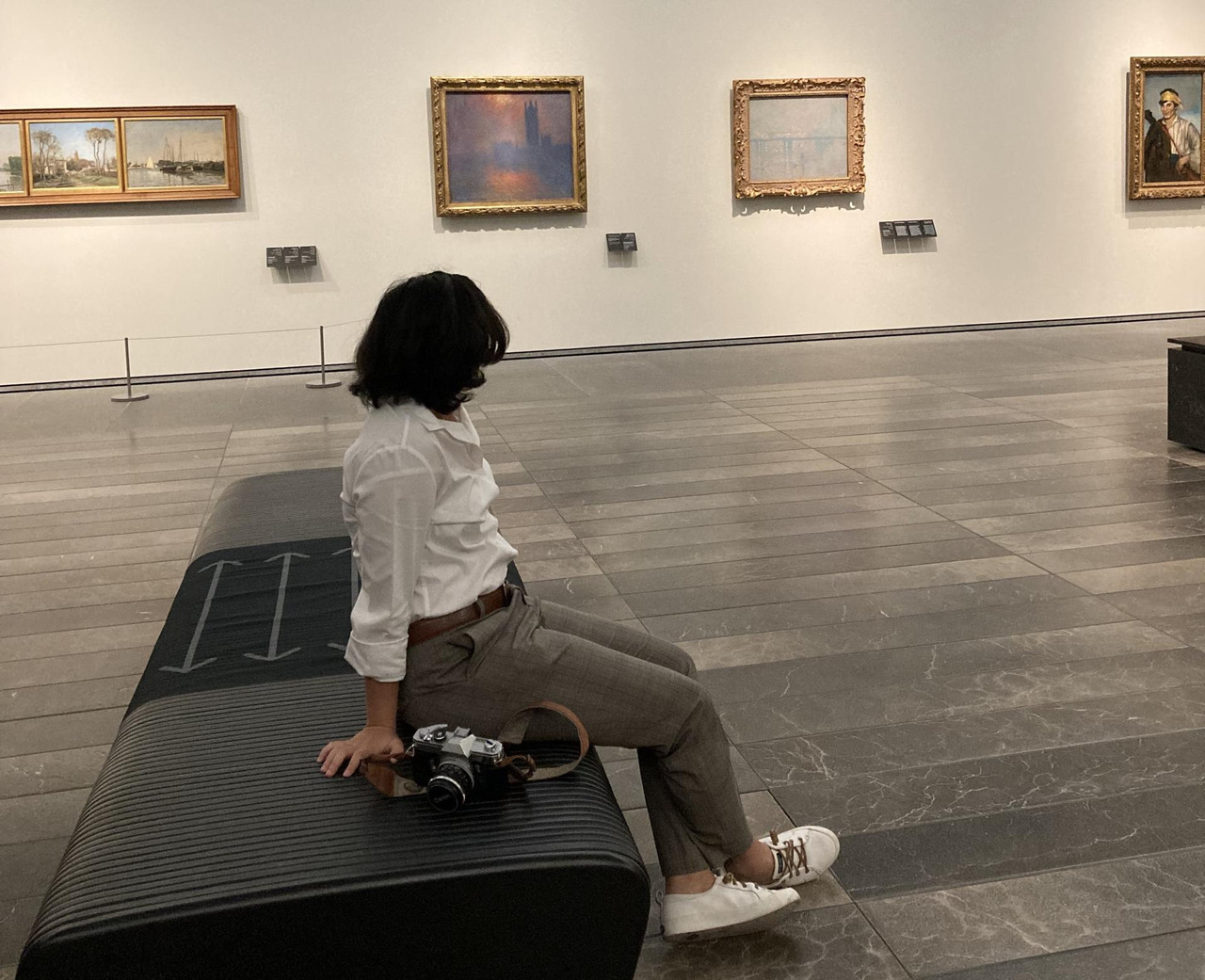
I’ve always been a fan of art museums. It was probably because I was introduced to them at a young age by my mom, who was the original museum enthusiast. Although museums usually contain artifacts, sculptures, it was paintings that always caught my eye. Two years ago, I was lucky to be able to visit the Louvre Abu Dhabi, and it was there that I’ve had the opportunity to be exposed to European art, such as paintings by Pierre Renoir, Claude Monet, Édouard Manet, and Vincent van Gogh.
However, as I looked at the various idyllic impressionist paintings, with various Europeans tourists and Arab locals around me, I thought to myself: I’ve never actually seen a painting made by a Filipino before. I haven’t seen works of Luna, Amorsolo, Tolentino, and more beyond the low-quality image of elementary text books.
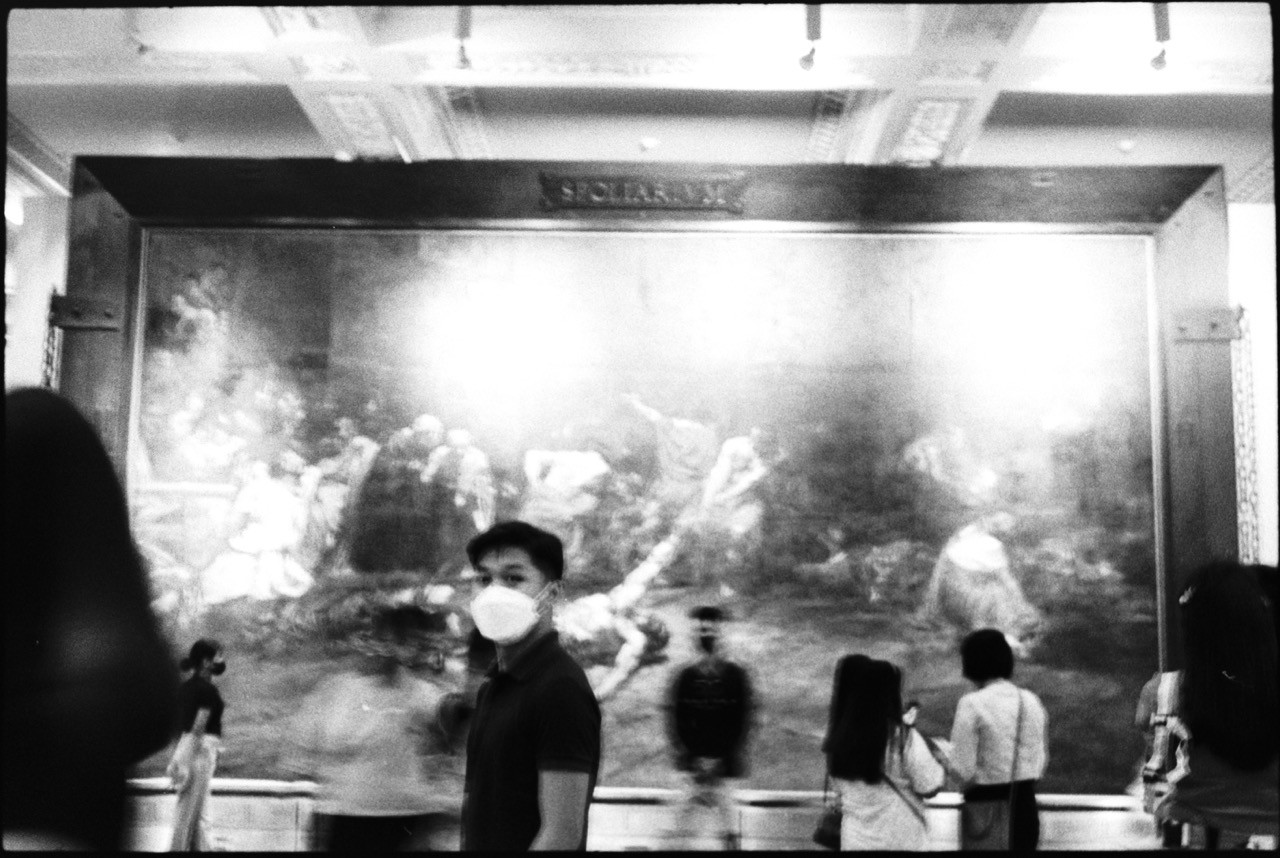
When I came back to the Philippines, I had a resolve to rectify that, and visited the National Museum of Fine Arts in Manila for my birthday. It was there that I finally got to see the famous Spolarium by Juan Luna. It was huge! And not only that, I got to see different kinds of art there made by Filipino artists that I wasn’t particularly familiar with. When I visited, there were several students from local universities who were also visiting, probably for their Philippine Arts class as well.
After visiting the National Museum, I couldn’t help but feel bitter. Surprising, I know. But how could you not, when you begin to wonder why beautiful art like these can only be found in Metro Manila? And it was that question, that spurred my suspicion that the universe was listening to me, because five months later the National Museum in Cebu opened to the public.
I just had to go there during opening week, and I even dragged my anthropology friend to come with me. Like the one in Manila, when you get inside you’re greeted with a painting of the Battle of Mactan. Surprisingly, this time it wasn’t the art that caught my eyes, but the geological aspects of Cebu. I liked that the first exhibit you get to see when you enter, was the environmental introduction of Cebu, how it was formed, what rocks made up the island, what animals and plants were native, etc. My favourite installment was probably the map of Central Visayas, that showed what type of different rocks each island was made of.
There were also artifacts recovered from a shipwreck, as well. What I didn’t really like when we visited was that there were a lot of people who went there and acted as if it was a photoshoot. I shouldn’t be one to judge really, but I wasn’t really sure whether they were even interested in visiting the museum to learn new things, or was there just to have a new picture to post on Instagram or Facebook. But to each their own, I guess.
I can say that as a Filipino, looking at Western artwork is nothing compared to the connection you feel when you see works of Philippine artists. In every artwork, you see the struggles and the perseverance of Filipino artists in their craft and who, despite being looked down upon by their European colonizers, still proved that they are as equal and if not better than their Western counterparts.
This brief excursion has made me realize that we often get distracted in our attempt to conform into global society and its obsession with Western art, that we start to forget about our fellow Filipinos’ works of art. Furthermore, at the height of globalization we face today, we must always strive to preserve our own culture as Filipinos. The opening of the National Museum in Cebu is one step forward in introducing our arts and culture to the Filipino youth, and I hope to see more of these efforts across the country in the future.
Every authentic work of art is a gift offered to the future
-Albert Camus